
Reward Responsible Decisions: How to Design Behavior That Drives Measurable Impact in Tourism and Experience Industry
Across destinations, hospitality networks, and cultural institutions, leaders are trying to influence outcomes (reduce overcrowding, increase direct revenue, improve sustainability, extend seasonality) without deliberately engineering the behaviors that produce those outcomes. The result is a proliferation of campaigns that generate attention but fail to reconfigure the system itself.
Impact in tourism is not the product of communication. It is the product of structured behavior at scale.
When a historic center becomes overcrowded, it is not because marketing failed. It is because visitor movement was never intentionally redistributed. When hotels become dependent on OTAs, it is not because guests dislike brands. It is because the system made OTA booking easier, more visible, and more rewarded. When sustainability remains aspirational, it is not because visitors do not care. It is because sustainable choices are rarely the most convenient or the most incentivized.

How Behavioral Science Is Reshaping Tourism Strategy and Ecosystem Governance:
What does “behavior” actually mean?
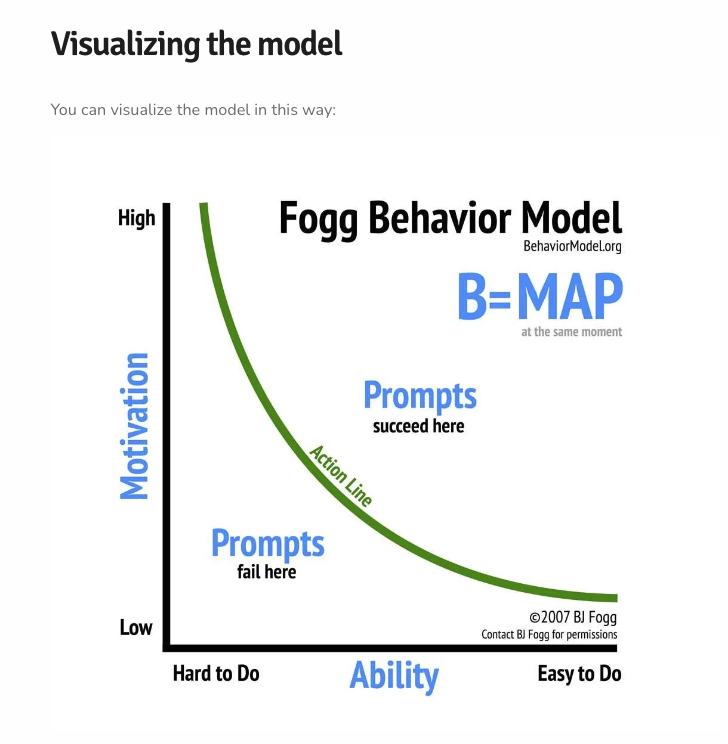
Dr. BJ Fogg, PhD, founded the Behavior Design Lab at Stanford University
In psychology, behavior refers to any observable action influenced by three forces:
Motivation (the internal desire or need)
Ability (the ease or difficulty of performing the action)
Prompts (Do it now -Triggers) (the situational cues that prompt the action)
This is the foundation of BJ Fogg’s Behavior Model (by Dr. BJ Fogg, PhD at Stanford University), which shows that behavior happens only when motivation, ability, and triggers occur at the same moment. This means behavior is not random, it is designed, guided, or discouraged by the environment, the experience, and the perceived value of acting.
Experience design already applies this logic inside individual venues. Lighting, staff choreography, spatial sequencing, and emotional peaks are deliberately structured to guide visitor movement. The same precision can (and must) be applied at ecosystem level.
Behavior is not a side effect of tourism. Impact does not happen because we assume people will act responsibly. It happens when systems make responsible behavior easy, visible, and rewarding.
It is the core mechanism through which tourism functions.
Why behavior matters? (Strategic psychology)
Not all behaviors have equal impact. In behavioral science, on high-leverage behaviors, the small number of actions that unlock disproportionate outcomes.

Person using public transport
For destinations, this might be:
choosing sustainable mobility
visiting lesser-known cultural areas
spending in the local ecosystem
extending the length of stay
For hospitality:
booking directly
participating in local experiences
providing feedback or reviews
making greener choices in-room
For cultural institutions:
engaging with exhibitions beyond the main attraction
joining community events
returning for programming
inviting others to participate
These are keystone behaviors, actions that create ripple effects across economic, cultural, and environmental impact.
When we design for the behaviors that matter, we stop designing experiences for everyone and start designing experiences that change something. This is why in today’s session we shift from thinking about campaigns to thinking about behavior strategies. And this is where reward logic becomes more than a marketing tool, it becomes a psychologically grounded mechanism for shaping motivation, increasing ability, and activating triggers across every touchpoint.
Turning Responsible Decisions Into Strategic KPIs
Responsible decisions (environmental, social, economic behaviors) are often treated as soft impact but they shouldn’t be. They can and must be translated into KPIs: If a guest chooses a low-carbon mobility option, that is measurable; If a visitor attends a community event, that is measurable; If someone books direct, that is measurable.

List your company’s KPI structure by area, define three KPIs per category. For example:
Environmental KPIs
Low-carbon mobility choices
Water-saving actions (IoT-connected)
Waste reduction activities
Social KPIs
Participation in community events
Engagement with cultural institutions
Support for local commerce
Economic KPIs
Direct bookings
Off-season participation
High-value purchases
When these actions are connected to a structured reward logic system, they become:
✅ Data points
✅ Performance indicators
✅ Optimization opportunities
Environmental impact, social participation, and economic performance stop being separate conversations. They become part of one measurable system. This is how behavior design in tourism links sustainability to revenue.
PERS: The Infrastructure for Purposeful Reward Logic

Fragmentation is the biggest barrier to impact. When partners operate in silos, the user experience breaks. PERS provides the behavior infrastructure to align ecosystems. Wherever is a big destination strategy plan or single institution plan, connect channels and platforms is crusial.
By using an API-first approach, PERS allows destinations and brands to:
Connect all partners through interoperable reward logic.
Trigger omnichannel actions via GPS, QR, NFC, or IoT signals.
Measure Impact Intelligence in real-time for economic, social, and environmental goals.
Strategy Tip: Don't just reward any decision; reward the responsible decisions that solve your long-term challenges.
The 4-Step Ecosystem Alignment: Moving from Silos to Shared Impact
This framework ensures that every stakeholder (regardless of their individual business model) contributes to a unified behavioral arc that scales impact organically.
Define One Shared Keystone Behavior

A Keystone Behavior is a high-leverage action where a small number of specific movements unlock disproportionate outcomes for the entire community. Instead of asking partners to promote a thousand different things, the ecosystem identifies one "North Star" action.
Strategic Selection: For a destination, this might be "visiting lesser-known cultural areas" or "choosing sustainable mobility".
The Ripple Effect: These actions are called keystone behaviors because they create positive consequences across economic, cultural, and environmental sectors simultaneously.
Why it works: When behavior is understood as a designed system rather than a random act, partners can stop designing for "everyone" and start designing for specific change.
Translate into Partner-Specific Actions

Once the shared goal is set, it must be translated into tangible, situational prompts that fit the unique context of each partner. Behavior happens only when motivation, ability, and triggers collide.
Hospitality Partners: Might trigger the behavior by rewarding "app check-ins" or "greener choices in-room".
Cultural Institutions: Can encourage deeper engagement by embedding "membership pathways", “donations” or "social-sharing prompts" within the visitor flow.
Local Artisans/Retail: Act as "reward triggers" where a purchase or visit (GPS) reinforces the overall ecosystem goal.
Connect Partners Through Interoperable Reward Logic
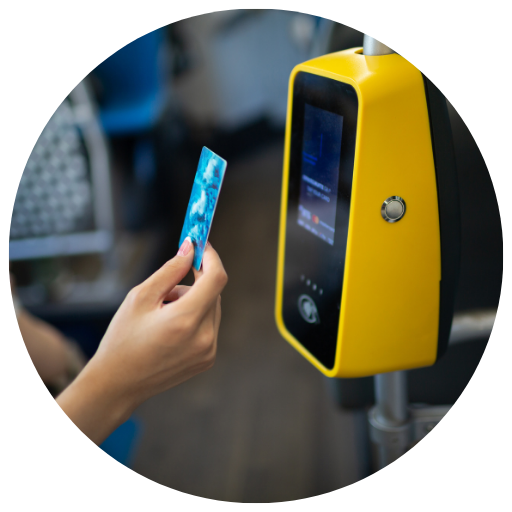
To prevent "behavioral friction," the reward logic must be seamless across the entire experience. Fragmentation (where every partner has their own tool and siloed data) is the enemy of scale.
Unified Infrastructure: Using PERS, all partners are connected via an API-first behavior infrastructure rather than a simple loyalty app.
Omnichannel Triggers: Rewards are activated through a variety of phygital touchpoints including GPS triggers, QR/NFC actions, and IoT signals.
Digital Sovereignty: The use of the Signer digital identity ensures a secure, future-proof experience without the risk of fraud or duplicates.
Share a Common Measurement Framework

Measurement turns "soft impact" into strategic, revenue-driving KPIs. By sharing a framework, the ecosystem moves from marketing claims to "Impact Intelligence".
Traceable Data: Every decision is connected to a repeatable behavior loop and measurable impact.
Economic & Social KPIs: Success is tracked through direct bookings, off-season participation, and engagement with cultural events.
Transparency: Real-time behavioral analytics allow the ecosystem to see exactly which triggers are driving the most value
Watch full Webinar Reward Responsible Decisions: How to Design Meaningful, Drive & Measure Impactful Behaviors
Book a demo to explore PERS unlock Responsable Decisions
Contact us here
Watch all webinars in our YouTube Channel
Join our newsletter and be the first to know about product updates and industry insights
Book a demo *
Book a demo *
-
Behavior design in tourism is the intentional structuring of environments, incentives, and touchpoints to guide visitors toward specific actions that generate measurable impact.
Instead of assuming visitors will act sustainably or economically beneficially, behavior design applies psychological principles to make certain decisions easier, more attractive, and better timed. It integrates motivation, ability, and triggers into the visitor journey so that responsible actions become natural rather than forced.
In practice, this means designing mobility systems, booking flows, cultural engagement, and reward mechanisms in a way that structurally influences outcomes across environmental, social, and economic dimensions.
-
Most tourism campaigns focus on awareness rather than action architecture.
They promote sustainability, local commerce, or cultural participation without redesigning the behavioral conditions that shape decisions. When convenience, incentives, or triggers do not align with the campaign message, visitors default to the easiest option, often the least sustainable one.
Long-term impact requires system-level alignment, not isolated communication efforts. Behavior strategy outperforms campaigns because it addresses the mechanics of decision-making rather than perception alone.
-
High-leverage behaviors are small, repeatable actions that generate disproportionate ecosystem impact when adopted at scale.
In destination management, examples include:
Choosing sustainable mobility over private transport.
Exploring lesser-known districts beyond the historic center.
Spending within independent local businesses.
Extending length of stay beyond peak concentration periods.
When these behaviors shift across thousands of visitors, congestion patterns, carbon metrics, and economic distribution change measurably.
-
Traditional loyalty programs reward transactions. Sustainable tourism strategy requires rewarding impact-aligned behaviors.
An evolved loyalty system should incentivize actions such as direct booking, low-carbon mobility choices, water-saving in-room practices, cultural participation, and local commerce engagement.
When loyalty becomes behavioral infrastructure rather than discount distribution, it aligns revenue goals with environmental and social objectives. The result is measurable impact rather than symbolic sustainability claims.
-
Visitor decisions occur across digital and physical environments — booking platforms, mobile apps, transport hubs, cultural venues, and retail spaces.
An omnichannel reward system connects these touchpoints into a unified behavioral loop. GPS triggers, QR or NFC interactions, CRM integrations, IoT sensors, and social engagement signals can all activate incentives in real time.
By reinforcing responsible decisions across channels, the system creates a continuous cycle: inspire, trigger, reward, repeat. Consistency across touchpoints increases behavior repetition and long-term loyalty.
-
Technology is not the goal. It is the enabler of alignment and measurement.
API-first infrastructure allows fragmented actors to connect systems. Blockchain-based traceability ensures transparency and fraud resistance. Identity layers enable personalization without sacrificing data sovereignty.
The purpose of technology in this context is to convert distributed actions into measurable ecosystem intelligence. Without interoperable infrastructure, behavior remains invisible and unscalable.
-
PERS is an API-first behavioral infrastructure platform designed for the tourism and experience industry. Unlike traditional loyalty programs that focus on transactions and discounts, PERS converts responsible actions (online or offline) into measurable, traceable, and rewardable behaviors across an entire ecosystem.
At its core, PERS enables destinations, hospitality groups, cultural institutions, and retail networks to define high-leverage behaviors aligned with their environmental, social, and economic goals. These behaviors can include sustainable mobility choices, direct bookings, local commerce engagement, cultural participation, or water-saving in-room actions.
Every time a user performs one of these actions, PERS activates an omnichannel trigger — through QR/NFC interactions, GPS signals, POS integrations, PMS/CRM systems, IoT devices, or social media engagement — and converts that action into digital value using token-based reward logic. Blockchain-backed traceability ensures transparency and fraud resistance, while the Signer identity system enables personalization without compromising data sovereignty.
What makes PERS strategically different is that it operates as behavioral infrastructure rather than a standalone loyalty tool. It connects fragmented ecosystem actors into one interoperable reward logic, allowing partners to align around shared impact KPIs while maintaining control of their own systems.
The result is a closed-loop behavioral system:
Inspire → Trigger → Reward → Measure → Optimize → Repeat.
Through this loop, responsible decisions become revenue-driving behaviors, sustainability becomes measurable performance, and ecosystem collaboration becomes operational rather than aspirational.
PERS does not simply reward customers.
It engineers behavior at scale.
